How to plan a bilingual wedding both families will love
When your families speak different languages, every guest should still feel part of the day. Here's how to handle invitations, the ceremony, speeches and signs — without doubling the length of everything.
 By LIT VOW Editorial7 min read
Key takeaways
- Decide early which parts need both languages — not everything does.
- Written information (invitations, schedule, Q&A) is the easiest place to be fully bilingual.
- For the ceremony, alternate languages or use a printed or on-screen translation instead of repeating every line.
- Use human translation for anything emotional. Machine translation misses warmth and cultural nuance.
Start with who needs what
Before translating everything, map your guests:
- Which guests only read or speak one language?
- Which parts of the day matter most to each family?
- Who in your circle is fluent in both and could help?
The goal isn’t doubling every word. It’s making sure nobody feels lost at the moments that matter.
Written information: go fully bilingual
Writing is the easiest place to include everyone, because guests read at their own pace.
- Invitations — both languages side by side, or a version for each family.
- Schedule and Q&A — times, places, dress code and cultural notes in both languages.
- Signage — welcome sign, seating chart and menu cards.
- Your wedding app — the single place guests check most, so write it in both languages.
For Chinese and English, decide between Simplified (common in mainland China) and Traditional characters (common in Hong Kong, Taiwan and many Cantonese-speaking families in Canada and the US). Ask your families which they read.
The ceremony: don’t repeat everything
Repeating every line in two languages doubles the ceremony and loses momentum. Better options:
- A bilingual officiant who alternates naturally between languages.
- Split the readings — one reading in each language.
- Vows in your own language, with a translation in the program or on screen.
- Printed or on-screen translation of the key moments.
Speeches and the reception
- Ask speakers to keep it short and add a few lines in the other language — guests love the effort.
- A bilingual MC can bridge between speeches with quick summaries.
- Share translated speech highlights afterward in your wedding app, alongside photos and messages.
Traditions: explain, don’t assume
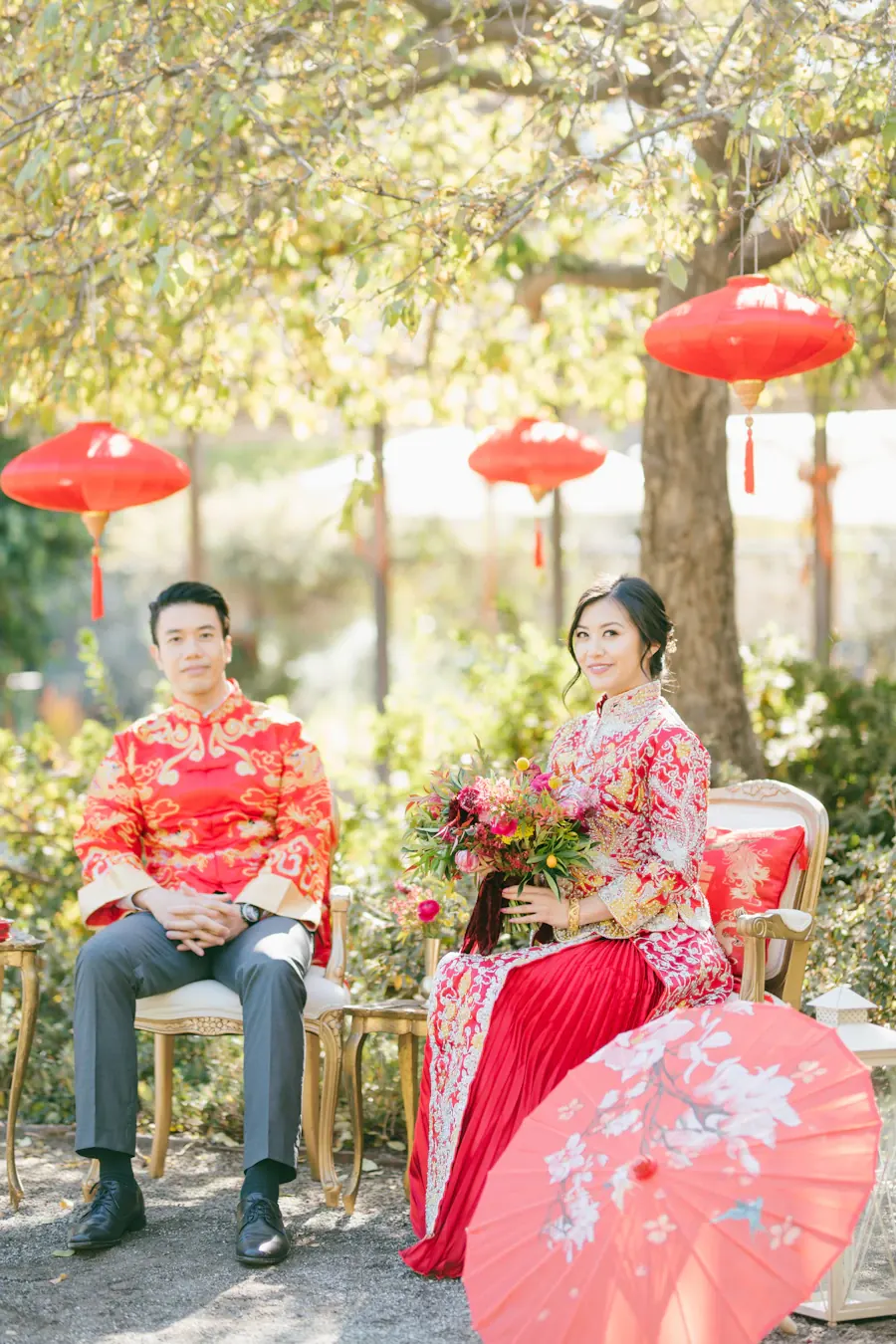
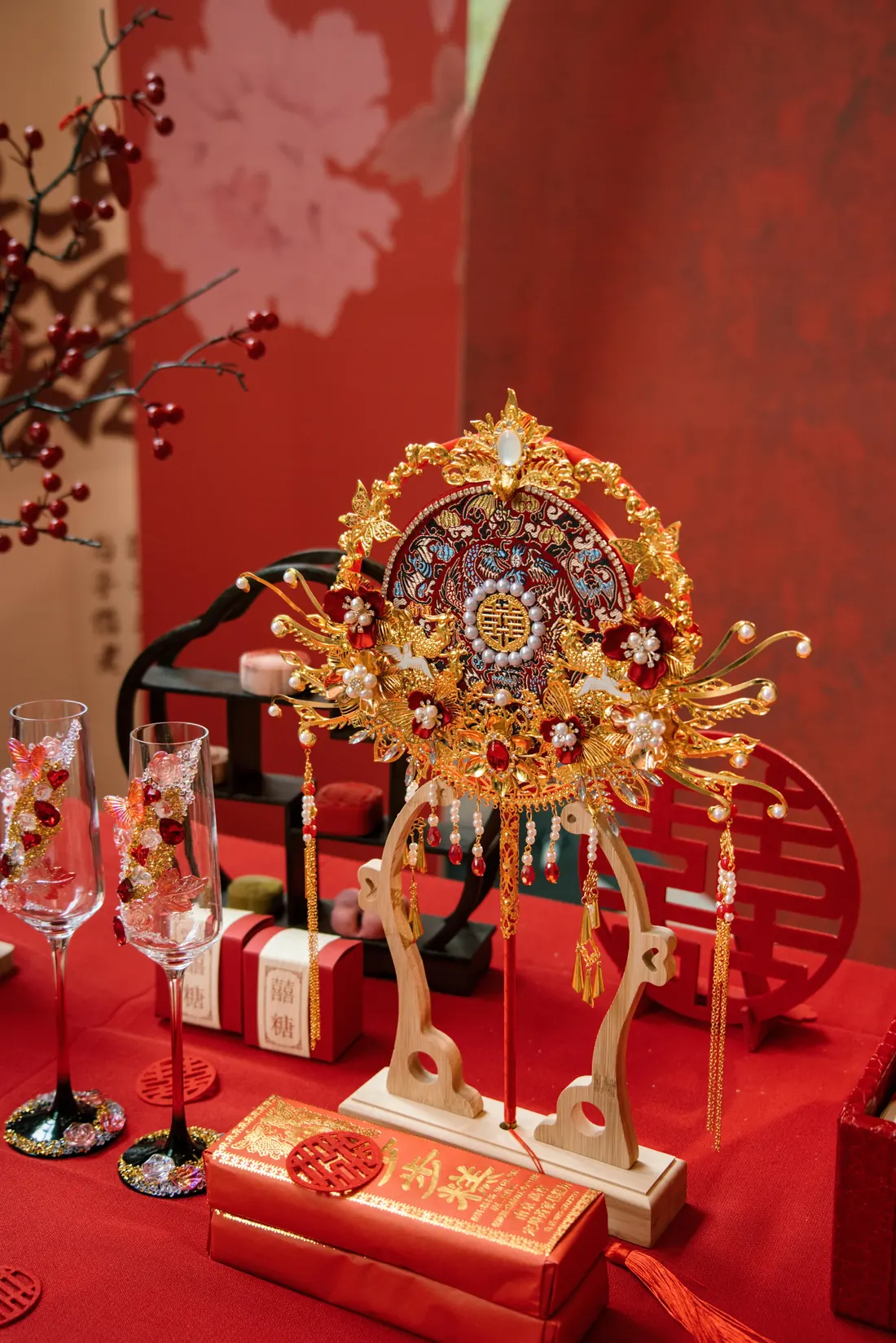
Multicultural weddings often combine rituals one side of the family has never seen — a tea ceremony, door games, a unity candle, a banquet. A few lines of explanation, in both languages, turn confusion into delight:
“Tea ceremony (敬茶): the couple serves tea to their parents and elders to say thank you. Family only — other guests are welcome to join us at 2:30 PM.”
Use human translation
Machine translation is fine for logistics, but emotional writing — your welcome, your story, your thanks — deserves a native speaker. A family member or professional translator will catch tone, formality and cultural nuance that software misses.
One link for both families
Every LIT VOW app is custom designed, so your welcome, schedule, travel details and Q&A can be written in the languages your families read — English, 中文, Français or a mix — all in one link both families can open.
Sources
Frequently asked questions
How do you do a bilingual wedding ceremony?
Common approaches are a bilingual officiant who alternates languages, splitting readings and vows between languages, or keeping the spoken ceremony in one language with a printed or on-screen translation for guests.
Should wedding invitations be in two languages?
If a meaningful share of your guests read another language, yes. Many couples print both languages side by side, or send each family a version in their language with a link to a bilingual wedding app.
How do you handle speeches at a multilingual wedding?
Ask speakers to keep speeches short, include a few lines in the other language, or share a written translation. A bilingual MC can bridge between speeches with brief summaries.
LIT VOW Editorial writes about wedding planning, guest experience and cultural traditions for couples in Canada, the USA and around the world.