Wedding hotel room blocks, explained: courtesy vs. guaranteed
A room block can save your guests money — or leave you paying for empty rooms. Here's how they work, which type to choose, and how to share it with guests.
 By LIT VOW Editorial6 min read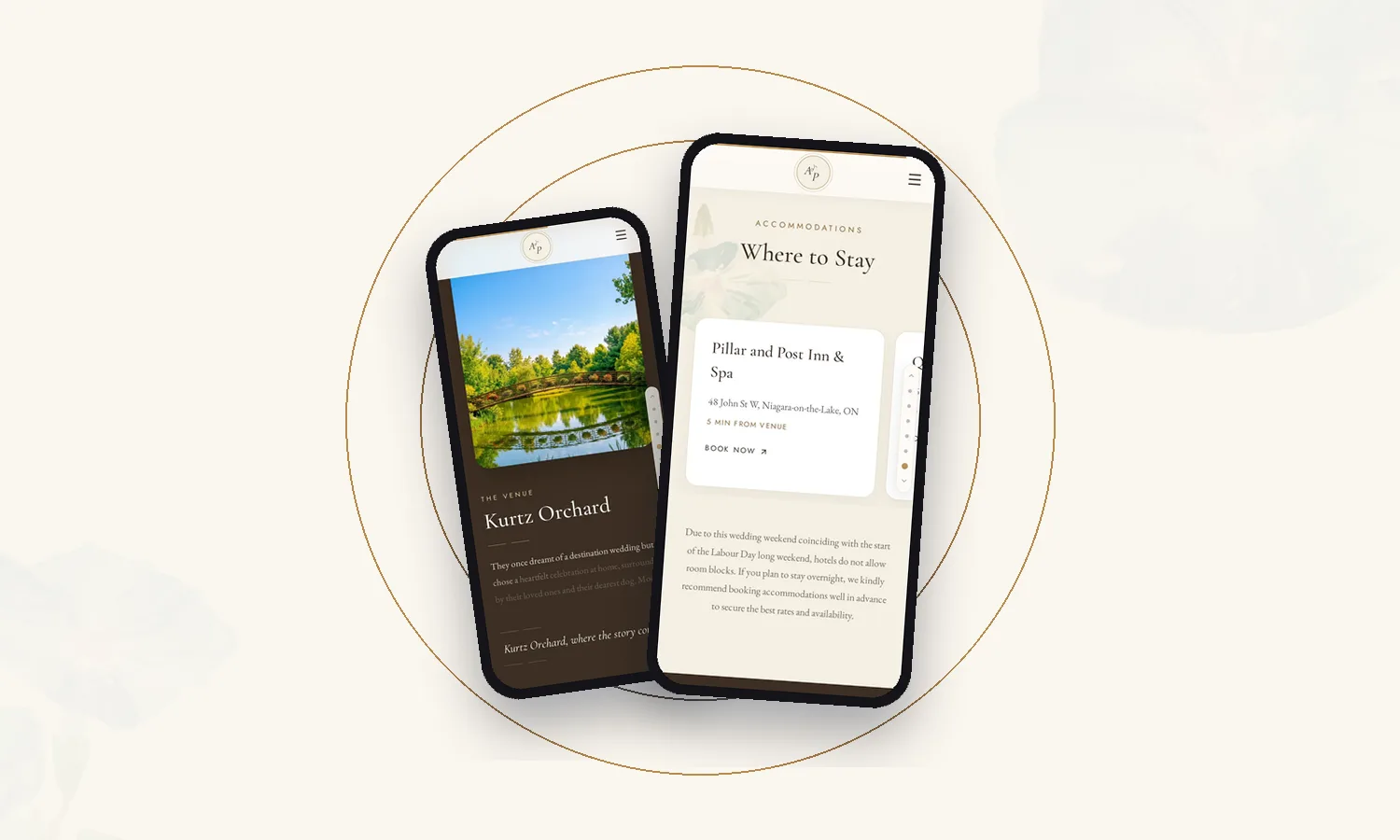
Key takeaways
- A courtesy block holds rooms at a group rate with no penalty; unbooked rooms are released at the cut-off date.
- An attrition (guaranteed) block may make you pay for rooms guests don't book below an agreed percentage.
- Cut-off dates are commonly about 30 days before check-in — make your RSVP and reminders fit around it.
- On holiday weekends some hotels won't offer blocks at all. Tell guests early and list several nearby options.
What is a room block?
A room block is a group of hotel rooms held for your wedding guests, usually at a discounted group rate. Guests book their own rooms using a code or link, before a cut-off date. It makes finding a place to stay easier for guests, and keeps everyone close together.
Courtesy vs. attrition blocks
Courtesy block (no penalty)
The hotel holds rooms for you, and any rooms not booked by the cut-off date are simply released. You don’t pay for unbooked rooms. Courtesy blocks are usually smaller, and not every hotel offers them — especially on busy weekends.
Attrition or guaranteed block (contract)
You sign a contract committing to a certain number of rooms. If guests book fewer than the agreed share, you may be charged for the shortfall. In return, hotels offer larger blocks and sometimes perks.
Read the attrition clause carefully. Look for the percentage you must fill, the cut-off date, and whether rooms booked by your guests outside the block count toward it.
How many rooms to block
Start with how many households — not people — will need a room. Then:
- use a courtesy block at one or two hotels when you’re unsure;
- with attrition blocks, reserve a little less than you expect and ask to add rooms if they fill;
- offer two price points, so every guest has a comfortable option.
Timing the cut-off date
Cut-off dates are commonly around 30 days before check-in. Plan around it:
- tell guests about the block with your save-the-dates;
- remind them before the cut-off, not after;
- set your RSVP deadline so you know who has booked in time.
When hotels won’t offer a block
On holiday weekends and in popular wine regions, hotels may refuse group blocks entirely. It’s not a failure — just tell guests clearly and early:
“Our wedding falls on the Labour Day long weekend, when hotels don’t offer room blocks. If you plan to stay overnight, please book early to secure the best rates and availability.”
List several nearby hotels with their distance from the venue, and include a shuttle or taxi note if relevant.
Sharing it with guests
Guests should never have to hunt for the booking code. For each hotel, share:
- name, address and distance from the venue;
- the booking link and group code;
- the cut-off date and rate;
- parking and shuttle information.
In a LIT VOW app, the Where to Stay page shows each hotel with its distance from the venue and a “Book now” link — so guests can reserve in two taps.
Sources
Frequently asked questions
What is a courtesy room block?
A courtesy block is a set of hotel rooms held at a group rate for your guests, with no financial obligation for you. Rooms not booked by the cut-off date are released back to the hotel.
What does attrition mean in a hotel room block?
Attrition is the share of the block you're allowed to leave unbooked without penalty. If guests book fewer rooms than the contract requires, you may be charged for the difference.
How many hotel rooms should we block for our wedding?
It depends on how many guests travel. A common starting point is to estimate how many households will need a room, then block a little less if the contract has attrition penalties, and add rooms if they fill quickly.
LIT VOW Editorial writes about wedding planning, guest experience and cultural traditions for couples in Canada, the USA and around the world.