Wedding dress codes, explained: black tie to casual
"Black tie optional" confuses almost everyone. Here's what each wedding dress code means for guests — and how couples can make theirs impossible to misread.
 By LIT VOW Editorial6 min read
Key takeaways
- Black tie means tuxedos and floor-length gowns; black tie optional means a tux or dark suit, and long or elegant cocktail dresses.
- Cocktail means suits and ties with knee-length or midi dresses; semi-formal is similar but a little more relaxed.
- Casual still means neat — think chinos and sundresses, not jeans.
- Couples should add one plain-English line: the setting, the ground underfoot, the weather and any colours to avoid.
The dress codes, from most to least formal
White tie
The most formal of all, and rare at weddings: tailcoats, white bow ties and full-length ball gowns. If a couple chooses white tie, they’ll usually say so clearly.
Black tie
Evening formal. Tuxedos with bow ties, and floor-length gowns or very formal evening wear. Usually an evening wedding in a formal venue.
Black tie optional
The most misunderstood dress code. It means a tuxedo is welcome but not required. A dark, well-tailored suit and tie is perfectly correct. For dresses: a floor-length gown, or an elegant cocktail or midi dress in a rich fabric.
Formal
Very close to black tie optional, and sometimes used interchangeably. Dark suits and ties; long or dressy knee-length dresses.
Cocktail
Suits and ties (lighter colours are fine for daytime), with knee-length or midi dresses, dressy jumpsuits or elegant separates. The most common wedding dress code.
Semi-formal
A step down from cocktail: suits with or without a tie, dresses and skirts that are polished but relaxed.
Dressy casual and casual
Still wedding-appropriate: chinos or dress trousers with a collared shirt, sundresses and smart separates. Casual rarely means jeans — if it does, the couple will say so.
Cultural dress: what guests should know
Multicultural weddings add a second layer. A few common courtesies:
- Chinese weddings: many families avoid head-to-toe black or white, which can be associated with mourning. Red is often the bride’s colour for the tea ceremony — check before wearing it.
- Western ceremonies: white and ivory are traditionally reserved for the bride.
- Religious ceremonies: some require covered shoulders or heads. Tell guests in advance.
- Cultural attire is welcome: many couples love seeing guests in qipao, hanbok, saree or other traditional dress. Say so if you do.
How couples should write their dress code
A label alone isn’t enough. Add one plain-English line that answers what guests actually wonder:
“Black tie optional. The ceremony is outdoors on grass — block heels recommended — and evenings in September can be cool.”
“Cocktail attire. We’d love to see you in colour! Please avoid all-white and all-black.”
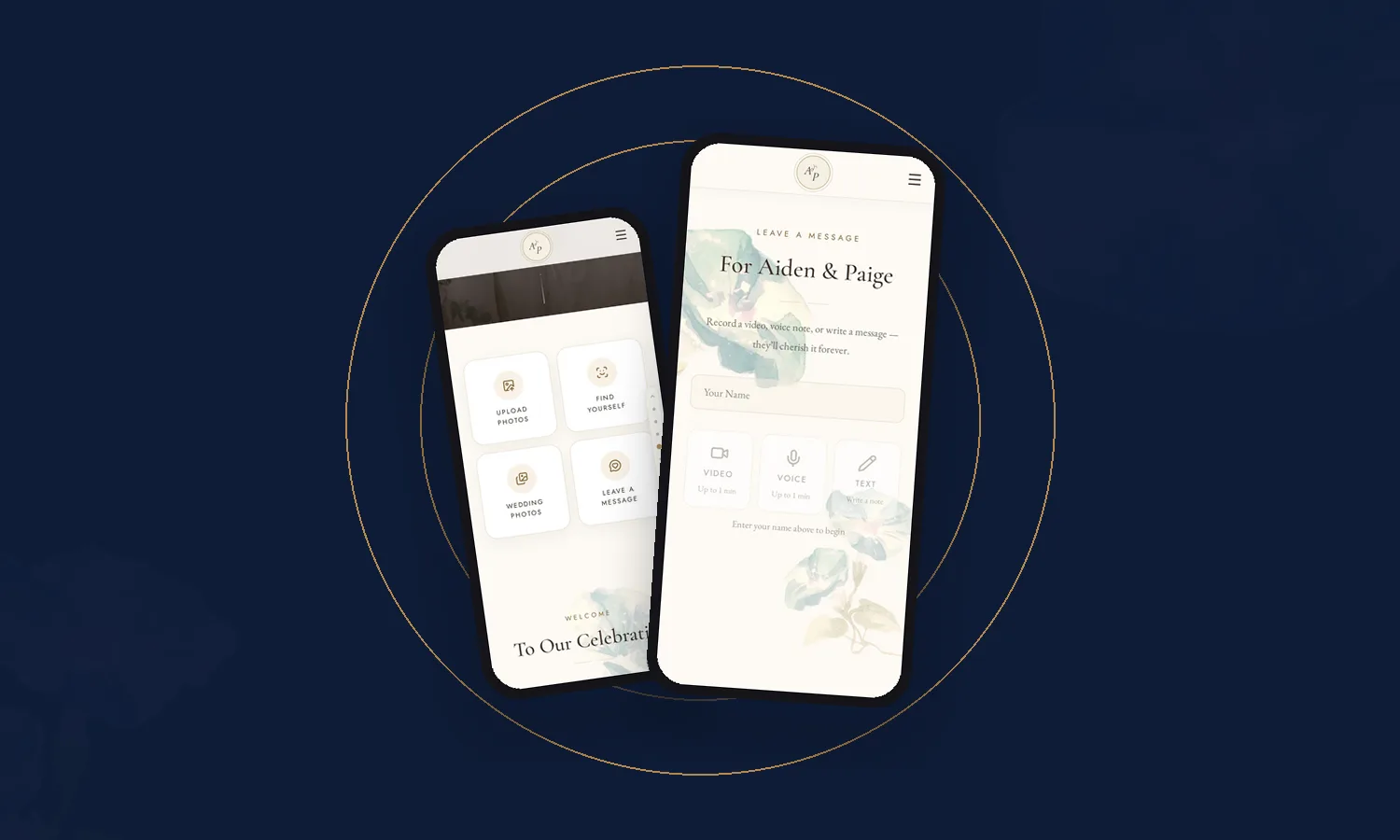
Put the dress code on your invitation, and the details in your Q&A. In a LIT VOW app, the dress code sits in the Q&A alongside the venue, weather and cultural notes — so guests can check it while they’re getting ready.
Quick reference for guests
| Dress code | Suits | Dresses |
|---|---|---|
| Black tie | Tuxedo, bow tie | Floor-length gown |
| Black tie optional | Tuxedo or dark suit | Floor-length or elegant cocktail |
| Formal | Dark suit and tie | Long or dressy knee-length |
| Cocktail | Suit and tie | Knee-length, midi or jumpsuit |
| Semi-formal | Suit, tie optional | Polished dress or separates |
| Casual | Chinos, collared shirt | Sundress or smart separates |
Sources
Frequently asked questions
What is the difference between black tie and black tie optional?
Black tie means tuxedos and floor-length evening gowns are expected. Black tie optional means a tuxedo is welcome but a dark, well-fitted suit is fine, and guests can wear a floor-length gown or an elegant cocktail dress.
What does cocktail attire mean for a wedding?
A suit and tie for men, and a knee-length or midi dress, dressy jumpsuit or elegant separates for women. It's dressier than business wear but less formal than black tie.
What colours should wedding guests avoid?
White and ivory are traditionally reserved for the bride at Western weddings. At Chinese weddings, many families avoid head-to-toe black or white, and red is often the bride's colour. When in doubt, ask the couple.
LIT VOW Editorial writes about wedding planning, guest experience and cultural traditions for couples in Canada, the USA and around the world.