How to say "adults only" at your wedding — kindly
An adults-only wedding is a perfectly reasonable choice. The hard part is saying it warmly and clearly. Here's the wording, the placement and the tricky conversations.
 By LIT VOW Editorial5 min read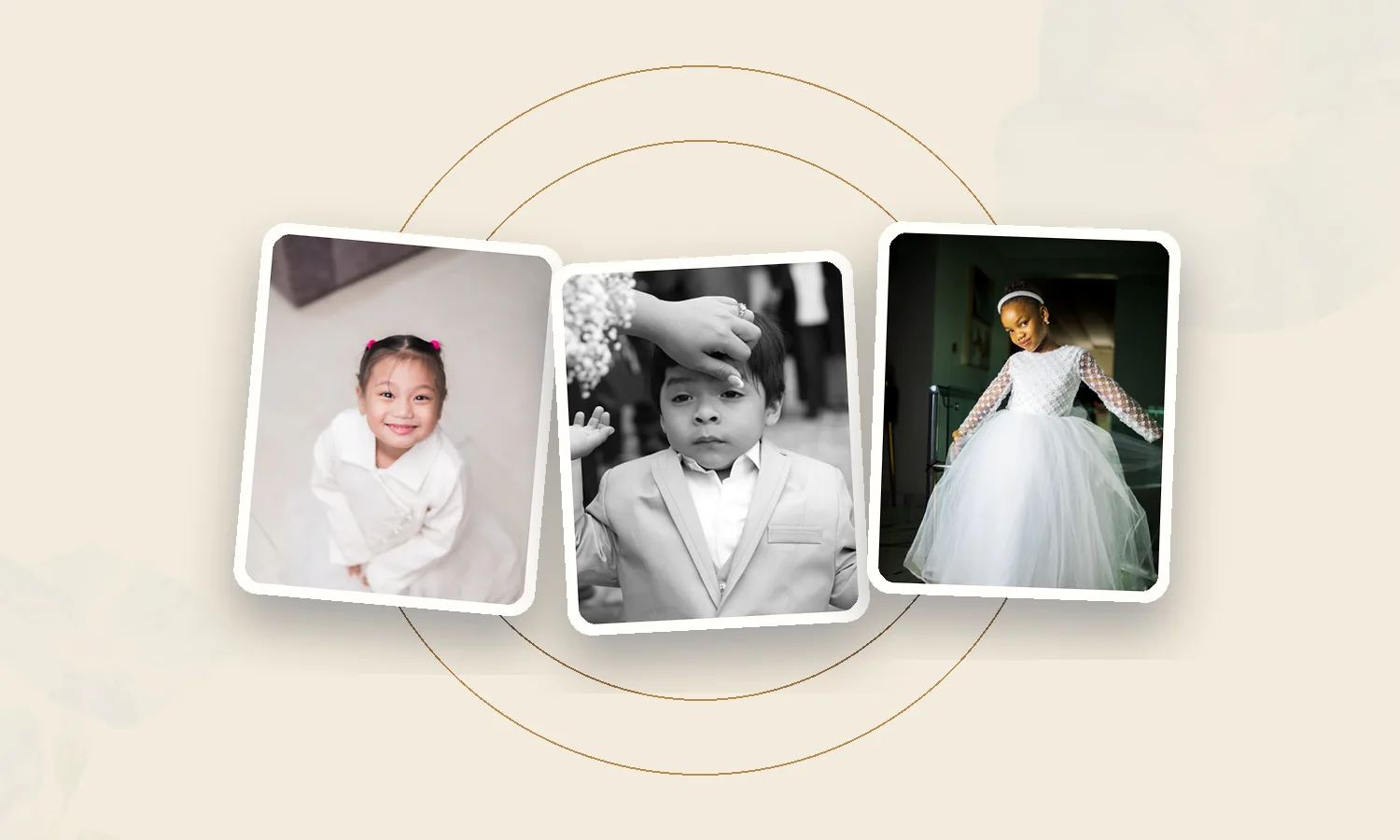
Key takeaways
- Say it clearly in three places: how you address the invitation, your RSVP, and your wedding Q&A.
- Address invitations only to the invited adults — never "and family".
- Decide your exceptions (your own flower girl, nursing babies, immediate family) before anyone asks, and apply them consistently.
- Help parents say yes: share childcare ideas or a supervised kids' room if you can.
First: it’s a reasonable choice
Couples choose adults-only weddings for many reasons: venue capacity, budget, a late-night reception, or simply the atmosphere they want. You don’t owe anyone a long justification. What you owe guests is clarity early enough to plan childcare.
Where to say it
1. How you address the invitation
This is the most important signal. Address the invitation only to the adults invited — “Mr. and Mrs. Chen” or “Wei and Lin” — never “The Chen Family” or “and family”.
2. On the RSVP
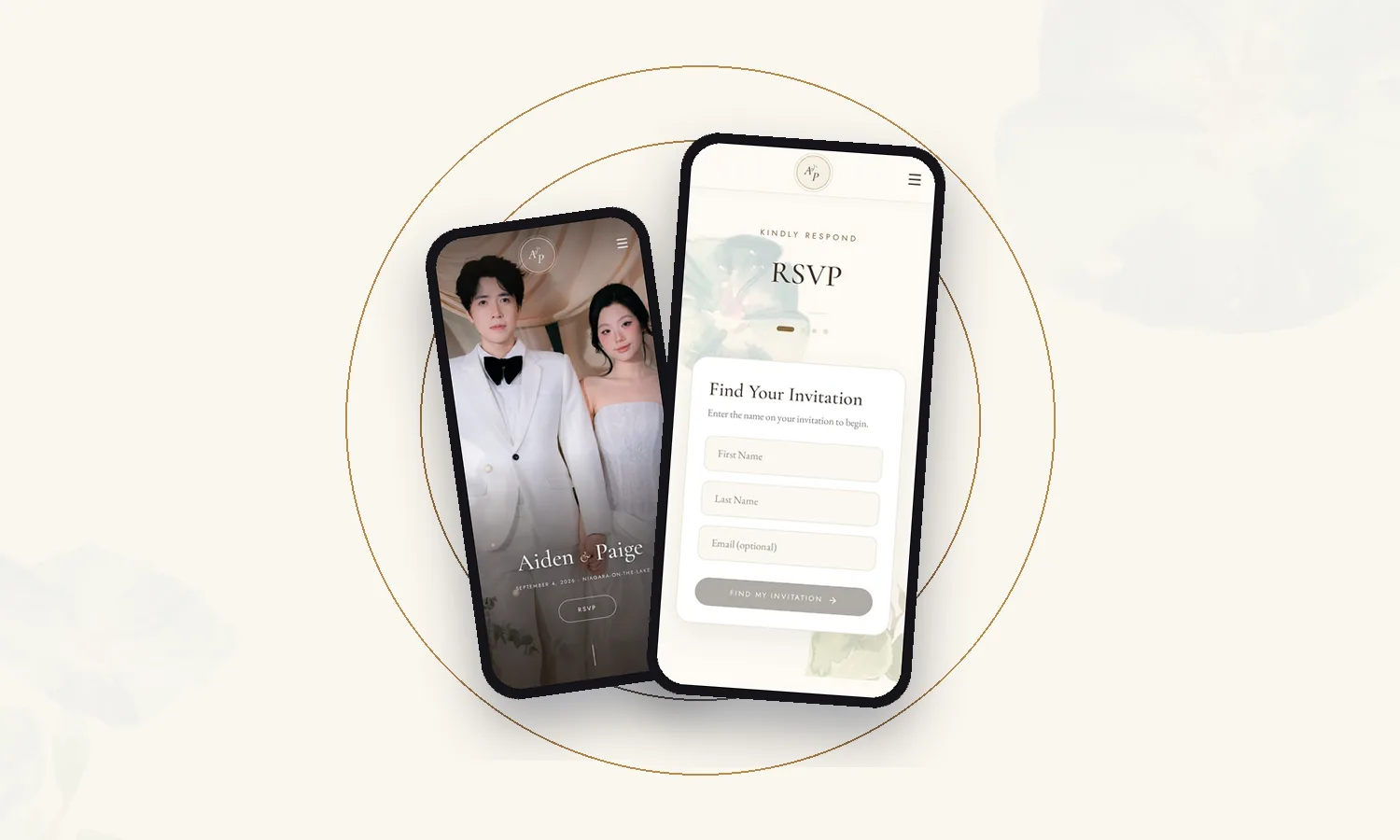
Show the number of seats reserved, or add a short line. In a wedding app, the RSVP can list exactly who’s invited under each invitation, so there’s no room for guesswork.
3. In your Q&A
Guests will ask, so answer once, kindly, in writing.
Wording you can use
“We love your little ones, but our celebration will be adults only. We hope this gives you a night off to relax and celebrate with us!”
“While we adore your children, we’ve chosen to make our wedding an adults-only event. Thank you for understanding.”
“Due to limited space, we’re only able to invite the guests named on the invitation.”
“Our wedding will be adults only, with the exception of immediate family and the children in our wedding party.”
Warm, short and matter-of-fact works best. Avoid apologising at length — it invites negotiation.
Exceptions: decide before anyone asks
Common, easy-to-explain exceptions:
- children in the wedding party (flower girls, ring bearers);
- immediate family;
- nursing babies under a certain age.
Whatever you choose, apply it consistently, and state it in your Q&A so nobody feels singled out.
Help parents say yes
Guests with children — especially those travelling — may struggle to attend. Small gestures help:
- share a list of local babysitting services or hotel childcare;
- consider a supervised kids’ room at the venue or hotel;
- send invitations early, so parents have time to arrange care.
When a guest asks anyway
Stay kind and consistent:
“We completely understand, and we’d love to have you there. We’ve kept the whole celebration adults only, apart from our own flower girl. We’ve put some local babysitting options in the app if that helps!”
If someone RSVPs with children who weren’t invited, reply personally and privately, before the day — not at the door.
Sources
Frequently asked questions
How do you politely say no kids at a wedding?
Address invitations only to the adults invited, and add a short, warm line to your RSVP and wedding app, such as: "We love your little ones, but our celebration will be adults only."
Should adults-only be written on the wedding invitation?
Etiquette traditionally keeps it off the invitation itself; addressing the envelope correctly does the work. Many couples add a gentle note to the RSVP card or wedding app instead.
Can you make exceptions for some children?
Yes, as long as the rule is clear and consistent — for example, only children in the wedding party, or only immediate family. Decide in advance so you can explain it simply.
LIT VOW Editorial writes about wedding planning, guest experience and cultural traditions for couples in Canada, the USA and around the world.